

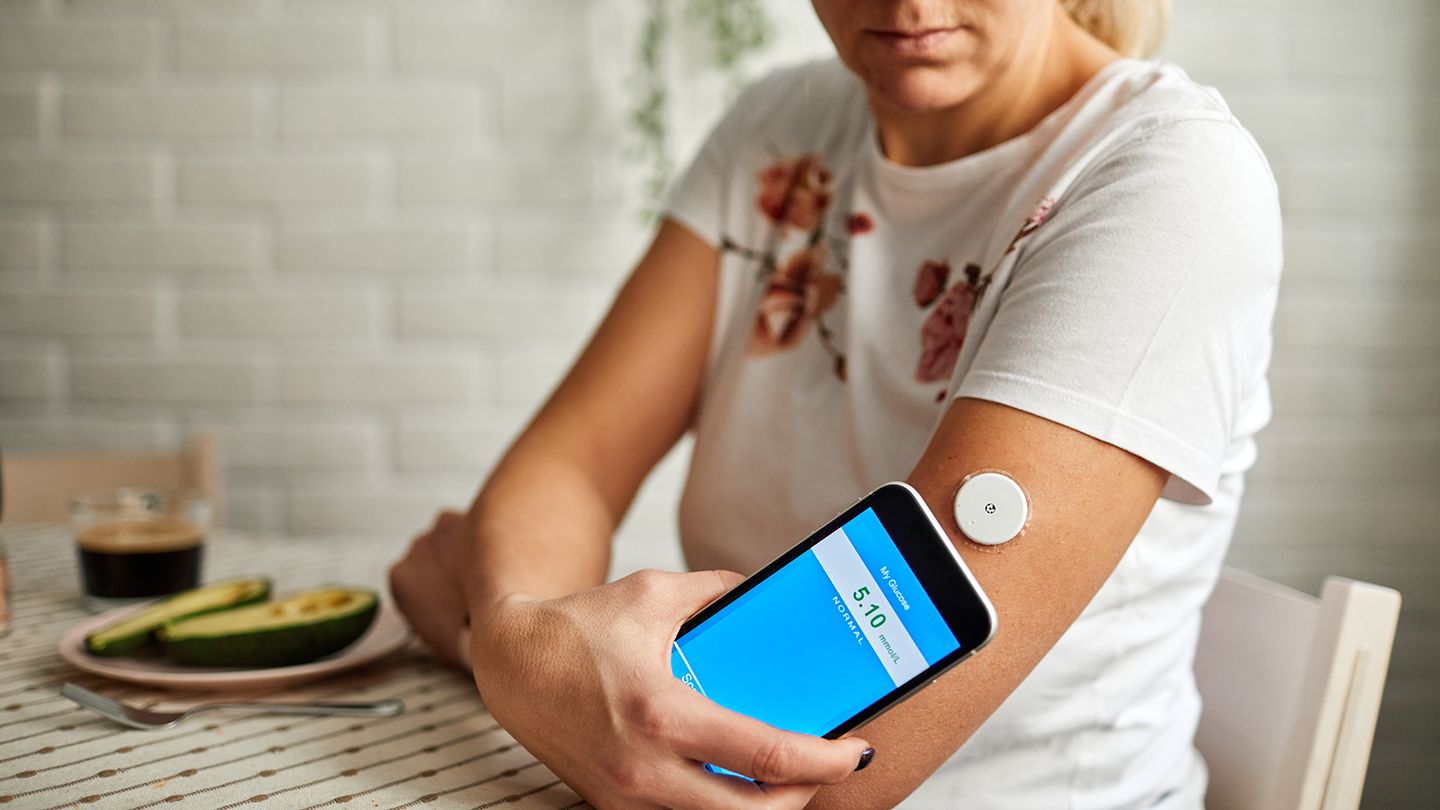
Managing prediabetes often feels like navigating a complex maze of daily decisions about food, activity, stress, sleep, and blood sugar. For many people, gaining clarity around these areas and making consistent, informed changes can be a challenge. Fortunately, mobile technology has risen to meet this need with apps specifically designed to help individuals understand and manage their blood glucose risk. These digital tools offer tracking, education, reminders, personalised insights, and motivation — all accessible from the pocket. In this article we will answer the question “what is the best app for prediabetes?”
An effective prediabetes app does more than record numbers. It connects habits with outcomes and makes abstract health goals actionable. Prediabetes, defined by elevated blood glucose levels that are higher than normal but not yet in the diabetic range, is both common and reversible with lifestyle change. Apps that focus on this condition aim to empower users by providing data they can act on, whether through dietary adjustments, increased activity, improved sleep, or reduced stress.
Tracking is one of the most fundamental features of these apps. Users can log meals, exercise, glucose readings, medications, symptoms, and even mood. Over time, this wealth of information helps reveal patterns. Does a late-night snack spike fasting glucose? Does a midday walk reduce post-meal rises? By encouraging consistent logging, apps provide context for decisions, making it easier to recognize what helps and what hinders blood sugar control.
However, recording alone doesn’t complete the picture. The best prediabetes apps synthesise data into meaningful feedback. Instead of presenting raw numbers, they offer trends, charts, and insights that help users interpret results. Visualising glucose excursions after meals, for example, makes it easier to see how carbohydrates, portion sizes, and meal timing affect levels. Similarly, activity trackers that correlate with glucose readings can reinforce the value of even brief walks or home workouts.
Education is another pillar of successful prediabetes tools. Many apps include curated content on nutrition, exercise, stress management, and sleep — all of which influence insulin sensitivity and metabolic health. Short articles, videos, and tips tailored to prediabetes provide users with practical strategies, from choosing lower-glycaemic foods to understanding the impact of sleep deprivation on blood sugar. This ongoing learning helps people make informed decisions without feeling overwhelmed.
Support and accountability matter as well. Some apps connect users with communities or coaching services where they can share experiences, celebrate successes, and ask questions. Social encouragement and peer support can be powerful motivators, especially during plateaus or setbacks. For others, access to certified health professionals via in-app coaching boosts confidence and creates personalised plans rooted in medical guidance.
Personalisation transforms static information into customised action. Rather than generic suggestions, strong prediabetes apps adjust recommendations based on individual data and goals. If a user consistently exceeds glucose targets after certain meals, the app might suggest alternatives or prompt reflection. Similarly, daily reminders — for log entries, activity breaks, or hydration — keep users engaged without being intrusive.
Integration with other health devices elevates functionality. When an app syncs with continuous glucose monitors (CGMs), smartwatches, or fitness trackers, data flows automatically, reducing manual entry and enhancing accuracy. Seeing how steps, heart rate, sleep duration, and glucose levels interact provides a more holistic view of metabolic health and may highlight opportunities for targeted improvements.
Ease of use is essential. A well-designed interface feels intuitive, requiring minimal effort to log entries or access insights. Users with busy schedules are more likely to stay consistent when the app feels effortless rather than burdensome. Personalisation of notifications — adjusting frequency and tone — supports sustained engagement by respecting user preferences.
While apps are valuable tools, they complement, not replace, clinical care. Regular check-ups with healthcare providers, laboratory testing, and professional guidance remain critical components of prediabetes management. Apps that encourage communication with care teams and support data sharing help bridge digital self-management with medical oversight.
By transforming data into insight and daily habits into measurable progress, apps dedicated to prediabetes management are helping individuals take control of their health. With features that promote awareness, personalise guidance, and reinforce positive habits, these tools are empowering users to slow or even reverse the progression toward type 2 diabetes. When combined with professional support and sustained lifestyle changes, the right app can be a valuable ally on the journey to better metabolic health.
