

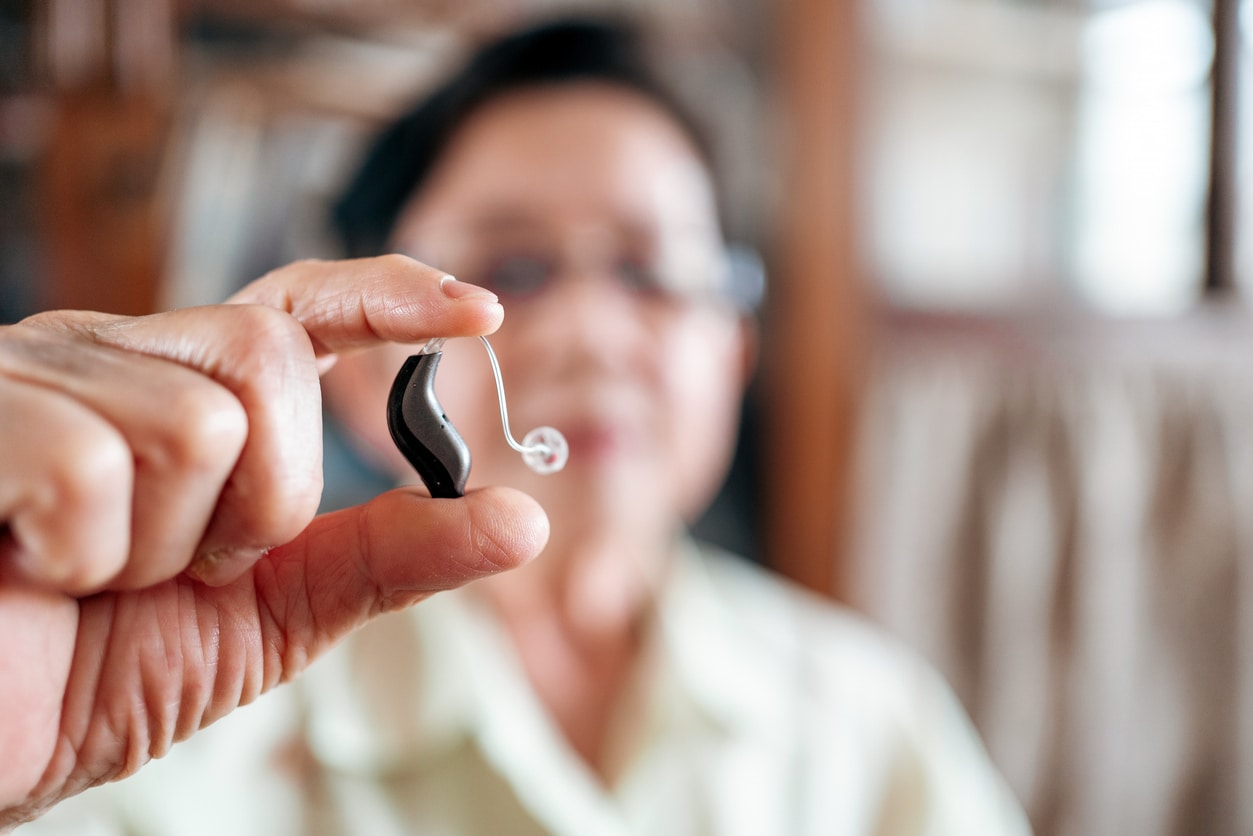
Once, hearing aids were purely practical tools. Their purpose was simple: make sounds louder. Design was secondary, comfort was inconsistent, and the experience often felt clinical rather than integrated into daily life. Over time, however, expectations have changed. People no longer want something that simply works—they want something that fits seamlessly into how they live. In that shift, the idea of the best hearing aid has transformed, moving from basic amplification toward intelligent, adaptive technology that responds to the world around it.
From Amplification to Interpretation
Early devices focused on volume. If a sound was too quiet, the solution was to increase it. The problem with this approach is that not all sounds are equal. Background noise, speech, and environmental sounds were all treated the same, often creating a cluttered and overwhelming listening experience.
Modern hearing aids approach this differently. Instead of simply amplifying everything, they process and interpret sound. Speech can be prioritised, background noise reduced, and different environments handled in distinct ways. This shift turns hearing from something passive into something actively managed.
Technology That Connects
One of the most significant developments in recent years is connectivity. Hearing aids are no longer standalone devices; they are part of a broader digital ecosystem. Many now connect directly to smartphones, televisions, and other devices, allowing users to stream audio seamlessly.
This integration changes how people interact with their surroundings. Phone calls, music, and even notifications can be delivered directly, removing the need for separate accessories. It also allows for adjustments to be made quickly through apps, giving users more control over their experience without needing constant professional input.
Design That Disappears
There was a time when hearing aids were intentionally visible, often bulky and difficult to ignore. Today, the focus has shifted toward discretion and comfort. Advances in design mean devices are smaller, lighter, and shaped to fit naturally within or behind the ear.
This is not just about appearance. A better fit improves usability, making it easier to wear the device for longer periods without discomfort. When something feels natural, it becomes part of daily life rather than something that needs to be constantly adjusted or managed.
Adapting in Real Time
Perhaps the most notable change is the ability of modern devices to adapt automatically. Environments change constantly—quiet rooms, busy streets, crowded restaurants—and each requires a different listening approach.
Instead of relying on manual adjustments, many hearing aids now use sensors and algorithms to respond in real time. They recognise patterns, learn preferences, and adjust settings accordingly. This creates a smoother, more intuitive experience, where the user does not have to think about the device at all.
A New Standard of Expectation
The evolution of hearing aids reflects a broader change in how people think about assistive technology. It is no longer enough for a device to solve a problem; it should enhance the overall experience.
What was once a simple tool has become something far more advanced—part of a connected, responsive system that supports everyday life. As technology continues to develop, the definition of quality will likely keep shifting, but one thing is clear: the modern hearing aid is no longer just about hearing more, but about hearing better in a way that feels effortless.
