

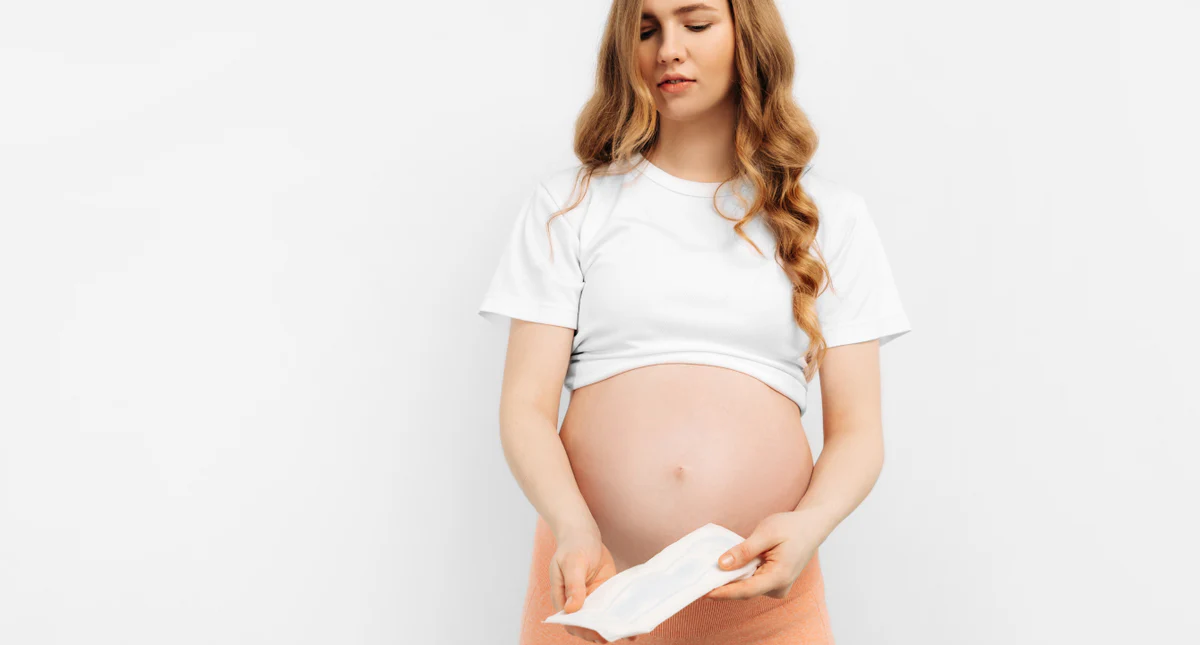
Giving birth to a new life is one of the most amazing experiences a lady can go through, but the days and weeks after delivery come with their own difficulties as well. A lot of women in India believe that the sanitary pads that they have been using since their period start will also work after giving birth. This is something that many people think, and something that would cause pain or even problems during the healing process. Knowing the reasons why maternity pads are made for postnatal recovery, and how they are different from sanitary pads can make a difference to the way a new mum feels when she is recovering.
What Happens to Your Body After Delivery?
Regardless of whether you’ve had a vaginal delivery or a cesarean section you have a lot of changes occurring in your body after giving birth. The uterine lining sloughs off, creating a “postpartum” discharge called lochia. This is heavier than a normal period, certainly in the first few days, and may last up to 4-6 weeks.
Vaginal delivery can also result in tearing of the perineum or episiotomy, which will require time and treatment to heal.
Why Regular Sanitary Pads Fall Short
Regular sanitary pads are designed to handle menstrual blood — which flows at a relatively predictable rate and volume. They are often made with synthetic top sheets, scented layers, and narrow absorbent cores intended for everyday period use.
After delivery, the situation is entirely different:
- The skin is far more sensitive. The synthetic materials and fragrances in regular pads can cause severe irritation on already tender postpartum skin. Stitches in the perineal area are particularly vulnerable to any chemical or friction contact.
- Coverage is inadequate. Regular pads are narrower and shorter. After delivery, when movement like getting up from bed or breastfeeding creates sudden gushes of discharge, a regular pad simply cannot contain it.
- Gel-based cores can harden. Many regular pads use SAP (super absorbent polymer) gel technology that forms lumpy clumps when absorbing large amounts of fluid. This creates an uncomfortable surface against already sore skin.
What Makes Maternity Pads Different?
Maternity pads are specially designed for the postpartum period. What makes them different:
- Significantly higher absorbency. They are designed to absorb a large amount of lochia – particularly during the first few days after giving birth when the lochia is heaviest.
- Wider and longer design. Because it offers more coverage, a maternity pad will prevent any embarrassing leakages while you’re making your way around in early postpartum recovery, even just standing up.
- Soft, non-irritating surface. Most maternity pads feature breathable cotton or cotton-like top sheets which are gentle on stitches and inflamed skin. Construction is fragrance-free so as to minimise the likelihood of allergic reactions or infections.
- Unscented and hypoallergenic. The postpartum body is much more vulnerable to infection. Scented pads add an unneeded chemical near a healing wound. Maternity pads don’t contain perfumes or harsh additives.
What Indian Mothers Should Keep in Mind
In India, conversations around postpartum hygiene are still relatively hush-hush. Many new mothers rely on advice passed down through generations — some of which involves cloth pads or folded cotton dupattas. While the instinct toward soft, breathable materials is sound, improvised options often lack the absorbency and sterile protection that the postpartum phase demands.
Conclusion
The postpartum period is hard enough — your hygiene products shouldn’t make it harder.Regular sanitary pads simply aren’t built for what your body goes through after childbirth. Maternity pads offer the coverage, softness, and absorbency you actually need while you heal.
You’ve done something incredible. Give your body the right support it deserves.
