

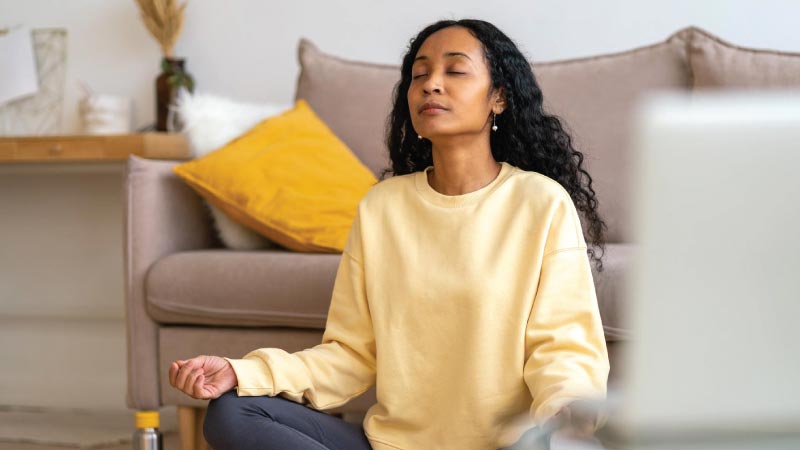
Breath. It’s the first thing we do when we’re born and the last thing we do when we leave this world. Yet, few stop to consider its power. In today’s fast-paced, high-stress world, a simple practice is making waves in wellness circles. It’s not new. It’s not complicated. But it’s transformative. Welcome to breathwork.
A Simple Act, a Profound Impact
The idea behind breathwork is straightforward. Breathe with intention. But the results go deep. People across the globe are turning to it to manage anxiety, release trauma, sharpen focus, and reconnect with themselves. It’s meditation with motion. Therapy without the talking. Clarity without the clutter.
The Science Behind the Breath
Breathwork taps into the body’s autonomic nervous system. This system controls the stress response—fight, flight, or freeze. Shallow breathing fuels panic. Deep, rhythmic breathing signals the brain: all is well.
Studies have shown breathwork can:
- Lower blood pressure
- Reduce cortisol levels (the stress hormone)
- Improve sleep quality
- Enhance focus and creativity
- Promote emotional release
By shifting the breath, you move your state of being. It’s that powerful.
Styles That Shape the Experience
There are several methods, each offering its rhythm and result:
- Box Breathing
Four counts in. Four counts hold. Four counts out. Four counts hold. Used by Navy SEALs to stay calm under pressure.
- Holotropic Breathwork
Deep, fast-paced breathing that can last 30–60 minutes. Often used in emotional healing and trauma release.
- Rebirthing Breathwork
A circular breath that flows without pause. It’s used to release subconscious blocks and past traumas.
- Wim Hof Method
Combines controlled hyperventilation with cold exposure. Enhances endurance and immune function.
Each technique has its purpose. The key is consistency and a willingness to go inward.
Breathwork in the Modern World
Breathwork isn’t just for yogis or wellness retreats anymore. It’s integrated into corporate wellness programs, therapy practices, and athletic training. Athletes use it to boost performance. Entrepreneurs use it to clear mental fog. Parents use it to stay patient. The best part? It requires no equipment, no subscription, and no screens.
Op e n offers guided sessions for those who want structure in their practice. Whether in-person or online, their approach blends tradition with science, making breathwork accessible.
Why It Matters Now
Mental health struggles are on the rise. Burnout is becoming the norm. People are looking for relief that’s natural, effective, and immediate. Breathwork delivers. It’s a tool, a refuge, a reset button.
Those searching for answers often begin with the question: what is breathwork? And what they find is something much bigger—a gateway to presence, peace, and power.
Final Thoughts
In a world addicted to speed and noise, breathwork reminds us to slow down. It strips away the layers of stress and distraction. What’s left is raw, real, and healing. A practice that begins with breath can change how we live, think, and feel.
