

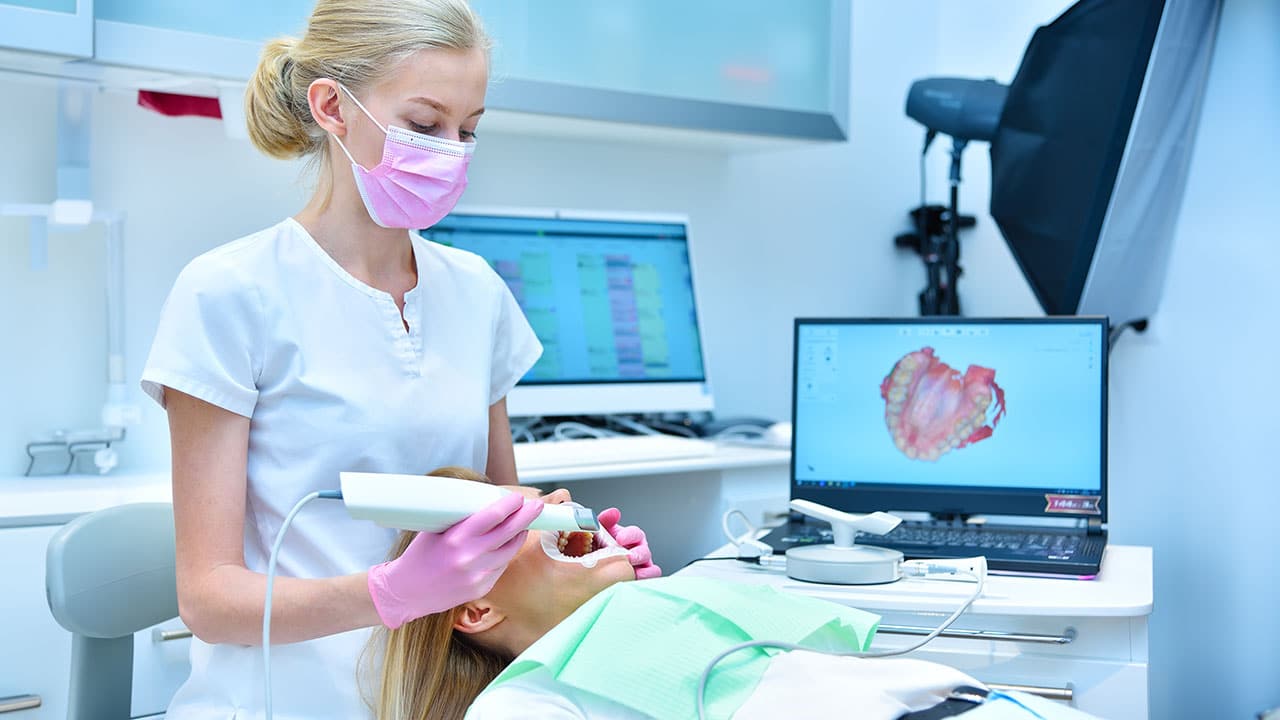
Australian dentistry is entering an era where the most meaningful innovations are not always the ones patients can immediately see. Behind a healthier smile may be a sophisticated network of digital scans, computer-assisted planning, three-dimensional imaging and increasingly personalised treatment pathways. The dental chair remains familiar, but the thinking behind it is changing rapidly.
This transformation reflects a broader shift in how Australians approach healthcare. Patients are increasingly comfortable using digital tools to understand their health, track progress and make informed decisions. Dentistry is following the same trajectory, with technology helping clinicians move from traditional, impression-based processes towards more precise and visual methods of diagnosis and treatment planning.
From impressions to digital precision
For decades, orthodontic treatment often began with physical impressions, photographs and conventional X-rays. While these methods remain useful in appropriate circumstances, digital technologies have introduced new possibilities for capturing and analysing a patient’s oral structures.
Intraoral scanners, for example, can create detailed digital representations of the teeth and surrounding structures without requiring traditional impression materials. These scans can be viewed on a computer screen, allowing dentists and orthodontic professionals to assess tooth positions and discuss potential treatment approaches with patients in a much more interactive way.
This visual element matters. Instead of simply being told that a tooth needs to move or that crowding may affect a smile, patients can often see what their current dental arrangement looks like and understand how treatment may change it.
For Australian patients balancing work, family commitments and busy lifestyles, the convenience of digital dentistry can be particularly valuable. Digital records can also support communication between dental professionals when treatment involves multiple stages or practitioners.
Where Invisalign enters the digital picture
Orthodontic treatment is one area where this digital evolution becomes especially visible. Clear aligner therapy has changed the traditional perception of orthodontics by offering a removable alternative to fixed braces for suitable patients.
The appeal of Invisalign extends beyond appearance. Its treatment process is closely connected with digital planning, where scans and clinical information can be used to develop a sequence of planned tooth movements. Patients can therefore gain a clearer understanding of the proposed journey before treatment begins.
That does not mean technology replaces professional judgement. A digital simulation is a planning tool rather than a guarantee of the final clinical result. Tooth movement is influenced by biological factors, oral health, compliance and the complexity of each individual case. An appropriately qualified dental professional still needs to determine whether clear aligner treatment is suitable.
For this reason, the most important digital innovation may not be the technology itself, but the way it helps clinicians and patients communicate. Better visualisation can make complex information easier to understand and create a more collaborative treatment experience.
A more personalised approach to oral care
Digital dentistry is also contributing to a broader movement towards personalised care. Rather than treating every patient according to a standard sequence, clinicians can increasingly combine digital information with clinical examination, medical history and individual treatment goals.
Three-dimensional imaging can assist with more complex assessments, while digital photographs and scans can provide useful records for monitoring changes over time. In orthodontics, these technologies can help practitioners evaluate tooth position and develop treatment plans that reflect the patient’s specific anatomy.
For patients considering Invisalign, this personalisation is particularly relevant. Clear aligners are not simply an aesthetic product; they are part of a clinical treatment process that needs to account for factors such as bite relationships, tooth movement requirements, gum health and existing dental conditions.
The digital layer therefore becomes most valuable when it supports sound clinical decision-making rather than attempting to replace it.
The changing expectations of Australian patients
Australia’s dental landscape is also being shaped by changing patient expectations. People increasingly want healthcare that is convenient, understandable and tailored to their circumstances. They may expect digital appointment systems, electronic communication, visual treatment explanations and efficient record keeping alongside traditional face-to-face care.
Younger generations, in particular, have grown accustomed to seeing information represented visually and interacting with services through digital platforms. Dentistry is adapting to those expectations while maintaining the importance of personal consultation and professional oversight.
This evolution could also make dental education more engaging. A patient who can see a digital scan of their teeth may better understand areas of crowding, wear or alignment. A visual treatment plan can turn an abstract conversation into something tangible, helping patients ask more informed questions.
Looking beyond the smile
The future of digital dentistry is unlikely to be defined by a single technology. Instead, it will be shaped by how different technologies work together.
Artificial intelligence, digital imaging, scanning, cloud-based records and computer-assisted planning are gradually creating a more connected dental environment. As these tools develop, their greatest contribution may be the ability to bring more information together while allowing clinicians to make better-informed decisions.
For orthodontic patients, that could mean treatment planning that is increasingly visual, measurable and personalised. For dental practices, it could mean more streamlined workflows and stronger communication. For patients, it may ultimately mean greater understanding of their options before committing to treatment.
Technology, however, should remain the instrument rather than the decision-maker. A beautifully rendered digital simulation cannot replace an examination, and convenience should never take precedence over appropriate clinical care.
Australia’s dental future is therefore not simply about replacing analogue dentistry with digital dentistry. It is about combining technological precision with human expertise. As digital dentistry continues to advance, the most successful practices will likely be those that use innovation to make dental care more understandable, personalised and clinically responsible—while keeping the patient’s needs at the centre of every smile.
