

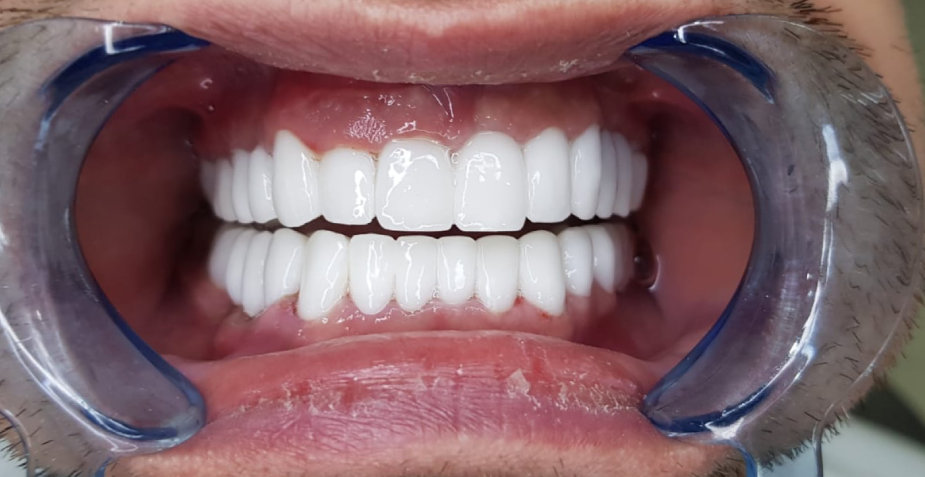
Getting a bright and beautiful smile is something many people in the UK dream of. From wanting to feel more confident in professional settings to simply enjoying the aesthetic of neatly aligned, gleaming teeth, a perfect grin can often feel like an essential aspect of modern life. For some, pursuing that dream means looking abroad for affordable, quick-fix solutions. In recent years, numerous stories have emerged of Britons travelling overseas for cosmetic dentistry packages that promise cheaper procedures and shorter waiting times. Among these are treatments colloquially known by a catchy nickname, celebrated for their ability to completely transform one’s smile in just a few days. That process, sometimes known as turkey teeth, has drawn widespread media attention. While the allure of a swift and cost-effective solution can be compelling, there is an often-overlooked side to this phenomenon: the potential hidden costs—both financial and medical—that may arise once patients return to the UK.
According to Dr. Sahil Patel, a leading London cosmetic dentist who has helped countless patients restore and improve their oral health, “Patients need to be made aware that when they choose a treatment abroad, they are not necessarily guaranteed the same standards of care or long-term follow-up. Being able to communicate with a dentist, having peace of mind that the practice is regulated by British standards, and ensuring you can access aftercare without having to fly across the globe, can end up saving you significant expense and stress in the long run.”
The following exploration of hidden costs associated with having major dental work carried out overseas is aimed at shedding light on both the short-term excitement and the long-term realities. Covering factors such as health risks, financial implications, post-operative care, and realistic alternatives within London’s vibrant dental scene, this article seeks to help you make an informed decision before you choose any extreme cosmetic treatment—or a journey to a foreign clinic.
The Popularity of Dental Tourism
Over the last decade, the term “dental tourism” has become increasingly familiar. People have learned they can hop on a plane, visit a clinic abroad, and often pay a fraction of the price for a procedure that would cost considerably more at home. Turkey, in particular, has emerged as one of the most common destinations for Britons seeking cosmetic dentistry, thanks to an aggressive marketing strategy, social media testimonials, and what appears to be unbeatable package deals.
Patients dazzled by the promise of a Hollywood-worthy smile in a short time often feel that they are making a sensible economic choice. In many cases, prospective clients see examples of extremely white, uniform rows of teeth on social media platforms, posted by influencers or celebrities. The immediate visual transformation, combined with holiday-like adverts showing scenic beaches and luxurious hotels, convinces many that they can seamlessly combine a summer getaway with a smile makeover.
One of the main reasons for the surge in popularity is the significant difference in upfront costs. For instance, if a patient in London were considering a series of veneers or crowns, the domestic quote might be thousands of pounds more than a promotional price overseas. On paper, it seems like an easy decision—pay less for something that looks, superficially, identical. Yet, once individuals start to delve deeper into the potential complexities—ranging from local regulations to the level of dentist training, quality control, and follow-up care—they begin to see that what initially appears to be a bargain can come with unexpected complications and expenses down the line.
The Attraction of Instant Results
Another factor driving this trend is the desire for immediate and dramatic cosmetic results. In the UK, reputable clinics often emphasise a gradual approach to cosmetic dentistry, especially when it involves major alterations to tooth structure. Dentists typically spend time planning treatments, scheduling consultations, and mapping out realistic outcomes. This is partly done to ensure that every treatment complements the patient’s facial features, maintains dental health, and is sustainable over time.
Conversely, clinics abroad commonly market quick-turnaround procedures for large scale cosmetic work. For many, the idea of achieving an entirely new smile within a week is highly appealing, especially if they have important life events coming up, such as weddings or major public appearances. But that speed may come at a cost. Teeth that are prepared too aggressively for veneers or crowns can suffer permanent damage to their natural structure. Inadequate healing times or rushed treatment can also lead to infections, inflammation, or other issues that must be addressed later.
In London, reputable cosmetic dentists typically take a more conservative approach, seeking to preserve as much natural tooth structure as possible. When you opt for reputable care, the emphasis is on ensuring that your teeth and gums remain healthy long after the cosmetic work is done. Although instant transformations might appear enticing, especially if portrayed positively on social media, they can mask potentially extensive tooth reduction and a higher risk of complications.
Dental Standards and Regulations
When choosing where to have cosmetic work done, it is important to consider the standards that govern clinical practice. In the UK, dental professionals must adhere to regulations set by bodies such as the General Dental Council (GDC). This ensures that dentists are qualified, continuously undertake professional development, and follow a strict code of conduct. These safeguards exist to protect patients and to guarantee a high level of service and accountability.
Overseas clinics, including many that specialise in attracting international patients, may follow different codes of practice and regulatory frameworks that do not mirror the UK’s stringent requirements. Some foreign clinics are indeed reputable and provide outstanding care, but it can be difficult for a prospective patient to verify which ones maintain the best standards. Language barriers, online reviews that are sometimes purchased or moderated, and the sheer number of options available can make it tricky to distinguish credible clinics from those that cut corners.
Additionally, because the cost of living and labour can be substantially lower in certain parts of the world, clinics there can undercut UK prices. However, lower operating costs do not always equate to better value for the patient. In the case of complex cosmetic dentistry, aftercare and possible revision treatments are paramount. Without robust follow-up and accountability, individuals may find themselves in distressing positions, especially if their clinic abroad offers limited recourse for problems that arise once a patient has left the country.
Understanding the Treatment Process
Major cosmetic dentistry involves more than simply attaching veneers or placing crowns. The preliminary consultations generally require X-rays, intraoral scans, or physical impressions of the teeth, followed by rigorous treatment planning and case discussion. A responsible dentist will create customised treatment plans that consider each patient’s unique bite, gum health, tooth shape, and facial features.
When procedures are compressed into a short timeframe overseas, certain critical steps can be shortened or bypassed. For instance, if an individual’s teeth are not properly prepared, or if the dentist lacks up-to-date equipment, the risk of minor errors that can lead to long-term damage increases. Errors in tooth preparation, bonding, or occlusion (the way the teeth meet when biting) can put excessive stress on treated teeth or cause chronic pain in the jaw. Patients might not realise these issues during their week abroad but could experience discomfort months later. At that point, they may need corrective treatment back in the UK, often at a higher cost than the initial procedure.
Moreover, cultural differences in how pain management and sedation are approached can mean that individuals are not always given the same level of comfort or explanation they would receive at home. The speed at which multiple crowns or veneers are placed may also compound discomfort, as the mouth could undergo a massive amount of work in a very short space of time. The impact on oral tissues and the patient’s overall well-being can be significant, leading to extended recovery periods that patients did not initially anticipate.
Potential Pitfalls and Long-Term Consequences
While initial results of extreme cosmetic treatments may look impressive on social media, the real test of quality dental work is its longevity and the impact on overall oral health. Some people who have undergone these extreme makeovers abroad have reported issues ranging from porcelain cracking to severe gum irritation, and even infections under poorly fitted crowns or bridges. These complications can be distressing and expensive to fix.
Teeth that have been prepared too aggressively may require root canal treatments if the nerves become irritated or infected. In worst-case scenarios, patients can lose a tooth entirely if infections spiral out of control. Replacing a missing tooth—especially one that has already been filed down for a crown—may require implants or other restorative measures that come with additional costs. Because dental implants require healing periods of a few months, the corrective process can drag on far longer than anticipated.
In London, cosmetic dentists who specialise in restorations or full-mouth rehabilitation often see individuals seeking corrective measures after poorly executed work abroad. These corrective treatments not only add a substantial financial burden but also impose an emotional toll on the patient. Many feel regret that they opted for a quick fix rather than a carefully planned approach. They may also find themselves facing treatments more invasive than anything they anticipated when they first booked their flights.
It is important to note that poor outcomes are not guaranteed simply because a procedure is done abroad. There are undoubtedly clinics overseas that maintain high standards and produce high-quality work. The challenge for potential patients lies in being able to reliably discern which providers to trust, understanding the risks, and weighing the total potential cost of treatment and aftercare—not just the initial price tag.
The Reality of Aftercare
One of the most overlooked aspects of any cosmetic procedure, including dental work, is aftercare. In many instances, dentists will recommend follow-up appointments to assess how well the new restorations are settling in, to check for signs of gum inflammation, and to conduct routine maintenance. When someone receives their treatment abroad, the logistics of returning for follow-ups can be daunting and expensive. Most overseas packages do not include multiple return visits, and even if they do, the costs of flights and accommodation must still be considered.
London-based clinics stress the importance of ongoing care, because even the most successful cosmetic dentistry requires periodic checks. Veneers, crowns, and other restorations can accumulate plaque at their margins if not cleaned meticulously, and the bite can shift over time, creating potential vulnerabilities. Patients who skip regular check-ups may not notice minor problems until they escalate into painful or costly issues.
Being able to speak the same language as your dentist and discuss concerns in person can be crucial for ensuring that small complications do not spiral into major dilemmas. When individuals feel they must wait until they can afford to travel abroad again, issues may worsen, compounding the damage and the eventual expense of rectification.
Financial Implications Beyond the Initial Procedure
When calculating the total cost of a cosmetic treatment abroad, most people focus on the quoted price from the foreign clinic. Yet a more accurate calculation would include the cost of travel, accommodation, and time off work. Some patients may require additional treatments or further refinements, which can necessitate a second trip. These hidden costs can rapidly accumulate, bringing the overall expenditure closer to—or even beyond—what a patient might have paid in the UK for a well-planned treatment.
Should complications arise, the financial impact can become even steeper. A patient might have to spend money on emergency dental care upon their return to Britain. If a complex corrective procedure is required, it could involve significant investment of time and money, potentially undermining any of the initial savings.
Even if everything goes smoothly from a clinical standpoint, the life of restorations placed abroad might be shorter if they are done in haste or using inferior materials. Replacements or repairs might then be needed sooner, which can become a recurring drain on one’s budget. By contrast, high-quality materials and meticulously planned treatments tend to last longer, ultimately yielding better value. The old adage, “You get what you pay for,” often rings true in cosmetic dentistry, where the cheapest approach can lead to the highest cost in the long term.
Local Expertise: The London Approach
London’s dental scene is known for its innovative approaches, cutting-edge technology, and highly trained specialists in cosmetic and restorative dentistry. Clinics across the city invest heavily in continuing education, advanced imaging tools, and the latest materials to ensure that patient outcomes meet rigorous quality standards. When you choose a reputable London-based practice, you are not only investing in a service but also in a reliable, regulated system that offers peace of mind through accountability and continuity of care.
Patients seeking transformative cosmetic dentistry in London often begin with a comprehensive consultation that includes a detailed assessment of their oral health. This holistic approach helps detect underlying issues such as gum disease, tooth decay, or bite misalignment. Addressing these problems prior to or alongside cosmetic improvements ensures that the final result is both aesthetically pleasing and functionally sound.
In addition, London dentists who specialise in smile makeovers often work closely with dental technicians to craft restorations that are custom-shaded and shaped to suit each individual’s facial structure. The emphasis on personalisation and quality can produce results that look not only dazzling but also natural. This attention to detail minimises the likelihood of future complications, preserving the patient’s health for years to come.
Minimising Risks and Managing Expectations
Even within the UK, a cosmetic overhaul of your smile requires a realistic understanding of what is and is not possible. The allure of a bright white, uniform set of teeth can overshadow important considerations such as facial harmony, speech, and bite function. A responsible dentist will counsel patients on the level of whitening or alignment that complements their features and maintain the integrity of their natural teeth.
This cautious, incremental method contrasts sharply with offers that promise you will be in and out of the chair with a brand new smile in a handful of days. The mouth is complex, and the sudden alteration of multiple teeth can place stress on the supporting structures of the jaw. Overly large or unnatural-looking restorations can also affect speech and the way the lips rest.
Managing expectations is crucial. A smile transformation can be life-changing when done properly, but it should never be so drastic that your oral health is compromised. Effective communication with your dentist is paramount. In London, where time and care are taken to involve the patient in treatment planning, you will be better informed about each step of the journey, the materials used, and how the final results might look. This helps ensure that once you unveil your new smile, it feels comfortable, natural, and truly yours.
Achieving a Beautiful Smile Responsibly
If you are considering a significant change to your smile, the best course of action is to educate yourself thoroughly. Before booking any appointment, whether at home or abroad, examine the qualifications and reputations of the dentists, ask about the materials they use, and request to see before-and-after cases. Try to speak with previous patients about their experiences, including any aftercare they received.
In London, clinics often encourage prospective clients to have multiple consultations. This way, you can gather several opinions and compare treatment plans and quotes before making a decision. You might discover alternative, less invasive procedures that still give you the aesthetic improvement you desire. Remember that teeth straightening options like Invisalign or other orthodontic aligners, combined with professional whitening and minimal-prep veneers, can yield impressive results without the need for aggressive tooth reduction.
When you weigh your options, consider not just the immediate expense but also the lifetime value of the care you receive. Choosing a highly regarded clinic that you can easily revisit for follow-ups can save you both money and anxiety in the long term. While budget is a significant factor for most people, focusing solely on the lowest price can lead to unfavourable outcomes that end up costing more to fix.
Is It Ever Worth the Gamble?
While the idea of a holiday bundled with discounted dentistry is appealing, you should ask yourself if the gamble is truly worth it. The popularity of what are commonly advertised, either explicitly or implicitly, as “turkey teeth” remains strong. But the stories of costly and painful corrective procedures are a stark reminder that cosmetic dentistry is a complex, high-stakes undertaking. Individuals who have had successful treatments abroad will often recount the hours of research they put in beforehand, verifying the clinic’s reputation and ensuring top-notch materials were used.
If you are determined to have your procedure done overseas, invest the time in scrutinising potential clinics. Carefully read independent reviews, check whether the dentists are affiliated with recognised international dental associations, and insist on a thorough consultation that includes X-rays and scans. Establish clear communication channels, ideally in English, to discuss any concerns. Also, factor in the potential expense of post-operative visits, should you need to return.
Ultimately, there is no one-size-fits-all answer to whether going abroad for cosmetic dentistry is the right choice. Each individual must balance financial considerations, personal comfort, and the complexity of their desired treatment. For many, however, the hidden costs—whether in terms of money, time, or health—make it clear that proceeding with caution is wise.
Conclusion
A perfect smile can be a powerful source of confidence and personal satisfaction, but altering your teeth is not a decision to be taken lightly. The trend of travelling abroad for rapid, dramatic smile makeovers, including those often referred to as turkey teeth, can appear enticing from a cost perspective. Yet, behind the glossy social media posts and alluring holiday packages may lie a range of hidden costs that surface weeks, months, or even years later. From the potential need for corrective treatments to the added expense of flights and accommodation for follow-up visits, the true price can far exceed the initial outlay.
London remains a global hub for high-quality cosmetic dentistry, with clinics that adhere to strict regulations and invest in advanced techniques. While the initial fees may seem higher, the long-term value often proves superior, especially when you factor in accountable service, ongoing aftercare, and fewer complications. As Dr. Sahil Patel and many other specialists in the capital have underscored, the key to a successful smile makeover rests on thorough planning, clear communication, and a dedication to preserving oral health as well as aesthetics.
Before you decide to undergo any extensive cosmetic dental procedure, be it at home or abroad, make it a priority to conduct extensive research. Evaluate the qualifications of potential dentists, the materials they use, and the logistics of aftercare. Consider consulting with more than one clinic to gather differing perspectives. Above all, remember that the path to a healthy, long-lasting smile is rarely the one that cuts corners or promises results that seem too good to be true. By taking the time to weigh your options carefully and seeking reputable professionals, you stand the best chance of enjoying a dazzling grin that not only looks fantastic now, but continues to feel and function well for years to come.
