

Key Takeaways
Single tooth implants represent a robust investment in one’s dental health. They boast a success rate of over 95%, significantly promoting longevity and preserving jawbone integrity.
Unlike bridges and dentures, these implants actively stimulate jawbone health, preventing deterioration and helping to maintain facial structure following tooth loss.
Additionally, single tooth implants can closely resemble natural teeth, allowing for customization in color, shape, and size, thereby enhancing confidence and aesthetics.
The process to secure an implant typically involves several steps—starting with an initial evaluation, proceeding through the surgical placement of a titanium post, and requiring a healing period of 3 to 6 months before the final restoration takes place.
Costs associated with single tooth implants can vary widely based on geographic location, the complexity of the case, and materials used. However, many view these implants as a sound long-term investment.
Moreover, numerous insurance plans offer partial coverage for dental implants, and financing options exist to help manage expenses, making them more accessible for clients.
Patient testimonials reveal significant transformations, with many expressing renewed confidence and increased social freedom after receiving single tooth implants.
Why Choose a Single Tooth Implant Over Other Options?
Analyzing the Long-Term Benefits of Implants
When contemplating tooth replacement solutions, the decision often revolves around longevity and aesthetics. Single tooth implants aren’t merely a temporary fix; they serve as a long-term investment in dental health. Research indicates that implants consistently achieve a success rate exceeding 95%, highlighting their durability. But what really distinguishes them?
To begin, they function much like natural teeth, promoting jawbone health—a feat that bridges and dentures simply can’t replicate. This aspect is vitally important. When teeth are lost, the jawbone can begin to deteriorate, leading to changes in facial structure over time. Choosing a single tooth implant allows patients not only to restore their smiles but also to preserve the integrity of their jawbone.
They’re also generally easier to maintain than traditional dentures. Picture eliminating the daily cleaning routine—patients can simply brush and floss as if they had normal teeth. Integration is seamless, reducing the hassle that often accompanies other types of prosthetics.
Comparative Analysis: Implants vs. Bridges and Dentures
Let’s delve deeper. Comparing single tooth implants with bridges and dentures exposes stark contrasts.
- Life Span: With proper care, implants can last a lifetime, whereas bridges may require replacement every 10 to 15 years, and dentures typically need regular adjustments.
- Jaw Health: As previously noted, implants stimulate the jawbone, thus preventing deterioration. Conversely, bridges and dentures usually do not address this essential concern.
- Comfort: Implants eliminate the discomfort that often comes with removable prosthetics. Many patients frequently report feeling as though they’re back to normal.
This comparative analysis clearly demonstrates that, while bridges and dentures do have their merits, single tooth implants present themselves as the superior choice, offering a level of stability that remains unmatched.
How Implants Match Your Natural Smile Aesthetic
It’s common for patients to worry about the appearance of artificial replacements. The remarkable feature of a single tooth implant is its ability to imitate natural teeth closely. Advanced materials and techniques enable exceptional customization, allowing dentists to match the color, shape, and size precisely with the surrounding teeth.
When executed properly, the outcome can be breathtaking. The days of obvious dental work are long gone; instead, patients enjoy authentic smiles that appear completely natural, bolstering their confidence.
Many patients even report newfound enthusiasm after receiving their implants, leading them to engage more with the world around them. What’s not to appreciate in that?
Understanding the Single Tooth Implant Process
Step-by-Step: What to Expect During the Procedure
Knowing the steps involved can alleviate anxiety. Many patients wonder what lies ahead. Typically, the journey begins with a detailed dental evaluation, which helps craft a personalized treatment plan.
- Consultation: The initial discussions aim to clarify patients’ goals and concerns.
- Imaging: X-rays and 3D scans assist in visualizing the jawbone structure, ensuring a precise approach.
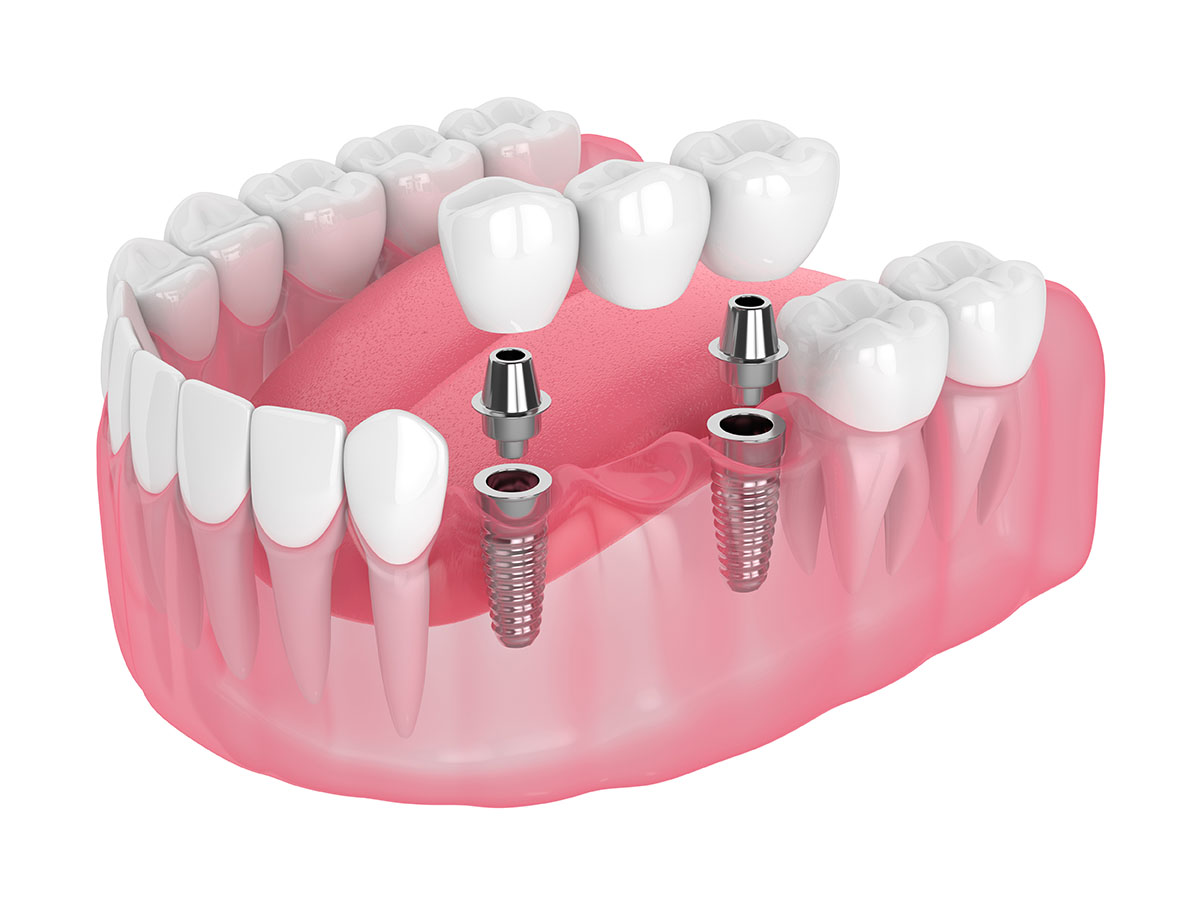
- Surgical Procedure: After anesthesia is administered, the dentist inserts a titanium post into the jawbone, which serves as the new tooth root.
- Healing: Osseointegration, where the bone fuses around the implant, takes time.
- Final Restoration: Once healing is complete, a custom crown is crafted and placed to finalize the process.
Patients should anticipate spending a few hours at the dental office during the surgical portion, but the results make it all worthwhile.
Post-Procedure Care: Ensuring Optimal Healing
Taking care of post-surgery is essential. After receiving a single tooth implant, adhering to dental advice is key to speeding recovery and ensuring success. Here’s what’s typically recommended.
- Follow-Up Visits: Regular check-ups help ensure that everything is progressing as it should.
- Oral Hygiene: Maintaining normal brushing and flossing habits is critical. Patients are encouraged to ease into rigorous cleaning routines, with gentle care being paramount.
- Avoid Hard Foods: For a short while, it’s best to steer clear of hard or chewy foods that could impede healing.
One truth remains evident: proper care paves the path for long-lasting success.
Timeframes: How Long Until a Perfect Smile?
Patience is vital. Many patients often want to know how soon they can reveal a dazzling smile. The timeframe can vary significantly based on individual circumstances. However, here’s a general overview:
- Initial Implant Placement: This generally takes a couple of hours.
- Healing Period: The osseointegration process can take anywhere from 3 to 6 months.
- Crown Placement: Once healed, crafting and placing the crown may require a few additional weeks.
Ultimately, while the process might feel prolonged, the benefits certainly outweigh the wait. A radiant smile is more than just an ambition; it’s a beautifully realized reality.
Cost Breakdown: Investing in Your Smile
What Factors Influence the Price of Implants?
The cost of a single tooth implant can vary significantly due to various factors. Understanding these elements helps clarify the price. Here are the primary influences:
- Geographic Location: Prices can differ based on where treatment is sought.
- Complexity of the Case: Should preliminary treatments, like bone grafting, be necessary, costs will rise.
- Type of Implant and Materials Used: The choice of materials can influence overall pricing.
Clients should consult their dental professionals to gain insight into their specific scenarios. Many find the investment to be worthwhile.
Insurance and Financing Options Explained
Insurance coverage can significantly impact cost management; however, many plans do not fully cover implants. Prospective patients should explore their options, as some insurers might provide partial coverage, particularly if the implant is deemed medically necessary.
On the flip side, numerous financing plans are available. Many dental practices offer payment arrangements that enable clients to manage expenses without hefty upfront costs. Awareness of these options can greatly enhance accessibility.
Value Beyond Cost: The Long-Term Investment
So here’s the truth: even though the initial expense may appear steep, a single tooth implant offers benefits that last in the long run. Patients often express gratitude for their enduring nature and the infrequent need for replacements when compared to other solutions.
“Investing in a single tooth implant is akin to investing in a new lease on life.”
This might sound like hyperbole, yet many find their quality of life significantly enhanced. Improved oral function can lead to better nutrition and often elevates self-esteem. Now, that’s priceless.
Real Patient Experiences: Transformations Through Implants
Before and After: Visual Impact of Implants
There’s something truly special about witnessing the transformation up close. Numerous dental practices showcase remarkable before-and-after photos of their patients. The visual impact is striking. What was once a gap is now a stunning smile, radiating confidence.
These changes highlight the profound effects dental implants can have. Patients often no longer shy away from smiling, laughing, or participating in social activities. That is a significant shift.
Patient Testimonials: The Personal Touch
Nothing resonates more than patient experiences. Countless individuals share heartfelt stories about their journeys with single tooth implants. Most of these accounts shine a light on how these transformations have impacted their day-to-day lives. The freedom to smile again is frequently mentioned. Others speak of newfound confidence and social liberation.
Listening to these firsthand narratives prompts reflection on the considerable influence dental health has on overall quality of life. It’s astonishing.
Expert Insights: Why Many Professionals Recommend Implants
Professionals in dentistry often advocate for single tooth implants thanks to their multitude of benefits. Many underscore not just aesthetic considerations but also functional advantages. Experts stress the significance of long-term planning in dentistry, and implants fit this requirement perfectly. They offer a permanent resolution to a lifelong issue.
“In the long run, single tooth implants can drastically reduce the need for further dental work.”
This perspective is profound. Choosing implants frequently places individuals on a path toward better dental health, paving the way for a happier, healthier future.
FAQ
How long does the entire dental implant process take from start to finish?
The timeline for the complete dental implant process can range from a few months to over a year, depending on various factors. Following the initial implant placement, healing through osseointegration typically takes 3 to 6 months, with an additional few weeks needed for the custom crown to be crafted and placed. Each patient’s situation is unique, which can influence the overall duration.
Are single tooth implants suitable for everyone?
Though many patients stand to benefit from single tooth implants, suitability can depend on individual oral health and the condition of the jawbone. Patients with insufficient bone density might require additional procedures like bone grafting to support the implant. Consultation with a dental professional is key to determining if an implant is the right decision.
What should patients know about potential discomfort during the procedure?
Typically, patients receive anesthesia during the surgical phase, which greatly minimizes discomfort. Mild soreness or swelling is common post-procedure but can be managed with over-the-counter pain relief. Most individuals find the benefits far exceed any temporary discomfort encountered.
How do single tooth implants compare in terms of maintenance versus other options?
Caring for single tooth implants is straightforward, requiring regular brushing and flossing similar to natural teeth. In contrast, dentures often necessitate cleaning solutions and adhesives, while bridges may need special flossing tools. The simplicity of implant care is just one of the many reasons patients prefer this option.
Can patients eat normally after getting a single tooth implant?
Once fully healed, patients can typically enjoy their favorite foods without limitations. Initially, however, it’s advisable to avoid hard or chewy items during the healing phase. After complete recovery, single tooth implants allow patients to return to a normal, unrestricted diet.
What are some signs that the implant may not be successful?
Indicators of potential implant failure might include persistent pain, swelling, or visible signs of infection around the implant site. Should any unusual symptoms arise, it’s essential for patients to contact their dental professional without delay. Early intervention often leads to better outcomes.
Can multiple single tooth implants be placed at once?
Yes, in many instances, multiple single tooth implants can be implanted during a single surgical session. The decision will depend on factors like overall health and the complexity of each case. Discussing options with the dental provider will aid in tailoring the approach to meet each patient’s needs.
How do dental implants impact overall oral health in the long run?
Over time, dental implants contribute to enhanced oral health by stimulating the jawbone and preventing deterioration that can come with tooth loss. They also aid in maintaining facial structure while improving chewing functionality, thereby elevating overall quality of life. Many patients report additional benefits, including enhanced speech and self-confidence.
Useful Resources
- American Dental Association– Comprehensive resources on dental health, including information about implants.
- Mayo Clinic– Reliable medical information covering dental procedures, including the implant process.
- National Institutes of Health (NIH)– Research articles and studies on dental implants and oral health.
- WebMD– Health information and guidance on dental care and treatments.
- Dental Care– Educational articles on dental procedures, including how to maintain implants.
- American Academy of Oral and Maxillofacial Surgeons– Professional insights into oral surgery, including implants.
- Centers for Disease Control and Prevention– Information on the significance of oral health and preventive measures.
- Dentistry Today– Current trends and innovations in dental health, including implant technology.
- RDH Magazine– Resources and articles focused on patient care and new dental technologies for hygienists.
