

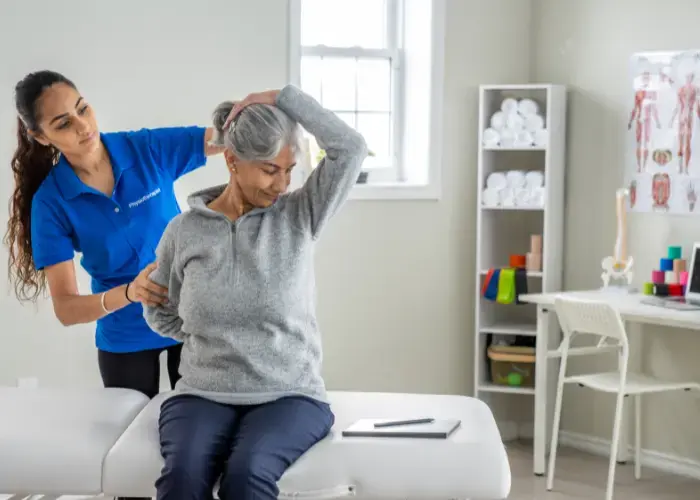
Noosa attracts a particular kind of resident: people who’ve chosen a slower, more comfortable pace of life along the Sunshine Coast, often in their retirement years. It’s a wonderful place to grow older in many respects — subtropical climate, walkable town centres, a strong sense of community. But it also means Noosa has a higher-than-average proportion of residents managing the mobility challenges that come with age, and not always easy access to specialist allied health services locally. This is precisely where home visit physiotherapy in Noosa has found its place.
Unlike a capital city with dozens of clinics to choose from, Noosa and its surrounding suburbs — Noosaville, Noosa Heads, Tewantin, Doonan — rely on a smaller pool of local providers. For someone with limited mobility, getting to one of those clinics can still mean navigating car parks, waiting rooms, and the general effort of leaving the house, even in a relatively compact town.
A Small-Town Setting With Big-City Mobility Challenges
Noosa’s subtropical humidity is easy to enjoy from a shaded verandah, but it’s far less pleasant when you’re an older person trying to walk from a car into a clinic on a sticky, 30-degree afternoon. Add in the area’s gently sloped streets and older-style homes with a step or two at every entry, and the physical toll of a routine physio appointment can add up quickly for someone already managing pain or reduced strength.
A home-based approach removes that friction entirely. The physiotherapist comes to the person, in the cool of their own lounge room or on a shaded patio, and the entire session’s energy goes into the actual treatment rather than the trip to get there.
What a Home Visit Involves
There’s sometimes an assumption that in-home physiotherapy is a scaled-back version of what happens in a clinic. In reality, a home visiting physiotherapist brings the same clinical tools and expertise — just adapted to work within someone’s actual living space. And that adaptation is genuinely useful: seeing exactly how a person moves through their kitchen, bathroom, or garden gives a physiotherapist far more relevant information than watching them perform exercises in a generic clinic gym.
For Noosa’s older population in particular, this often means a strong focus on fall prevention, balance training, and management of chronic conditions such as arthritis, alongside post-surgical rehabilitation for those recovering from joint replacements or other procedures common in this age group.
Gardening is also worth a special mention here. Plenty of Noosa residents have spent decades tending backyards full of tropical plants, and giving that up entirely isn’t usually the goal — helping someone safely continue the activities they actually enjoy is just as much a part of the treatment plan as formal exercises. A physiotherapist who’s seen the garden bed, the uneven stepping stones, and the low retaining wall can build strength and balance work that’s directly relevant to keeping that part of daily life going.
How Sessions Are Typically Funded
Cost and funding tend to be the first questions Noosa families ask, and the answer is usually more accessible than expected. In-home physiotherapy sessions can generally be accessed through the Support at Home program (the recently updated version of Home Care Packages), an NDIS plan where applicable, or private health cover with physiotherapy extras included. Private, self-funded sessions are also common, particularly for shorter-term needs like post-op recovery.
Given Noosa’s smaller local market, it’s worth being upfront and confirming coverage for a specific address before assuming a service is available, since allied health providers are still expanding into this region and coverage can vary from suburb to suburb.
Signs It Might Be Time to Consider a Home-Based Option
A few common indicators tend to show up before families make the switch from clinic visits to in-home physio care:
- Appointments becoming a source of stress rather than something manageable
- A recent fall, or a series of near misses, around the home
- Recovery from surgery where a clinic trip simply isn’t practical yet
- A family carer spending more time coordinating transport than actually supporting recovery
If several of these sound familiar, it’s a reasonable time to raise the idea with a GP or the person’s existing care team.
Settling Into a Home-Based Routine
Starting out is usually simpler than families expect. It generally begins with an enquiry and an initial assessment, where the physiotherapist gets to know the person’s goals, medical history, and the specifics of their home — the verandah steps, the garden paths, the layout of the bathroom. From there, a plan is built around realistic, achievable progress, with sessions scheduled to fit the household’s own pace rather than a clinic’s fixed timetable.
Given how many Noosa residents have family living further afield, it’s also worth asking how a provider keeps everyone informed — GPs, case managers, and interstate relatives alike — so that progress is easy to track even from a distance.
Why It Suits a Town Like Noosa
Noosa’s appeal — the relaxed pace, the coastal lifestyle, the close-knit community — is exactly why so many residents choose to stay put rather than move closer to bigger clinics as mobility becomes harder. Home visiting physiotherapy lets people keep that lifestyle intact, receiving proper clinical care without giving up the comfort and familiarity of their own home. For families across Noosa and the surrounding Sunshine Coast suburbs, that combination often makes all the difference to how consistently — and comfortably — physiotherapy actually happens.
