

Opting for weight loss surgery is a significant decision, but for many, a single procedure may not help achieve the desired results. Factors such as individual lifestyle, behavior, and choices can impact the success of the initial surgery. In these cases, revisional surgery might be necessary. One popular option is the band to gastric bypass revision, known for increasing the effectiveness of weight loss results. Revisional surgery naturally raises many questions about its requirements, process, benefits, and potential risks. This blog will cover things you should know about the band to bypass revision, so that residents of Texas or anywhere else can make better decisions.
Reasons for Considering Band to Bypass Revision
The Lap Band is a surgical procedure in which a silicone band is inserted around the stomach to reduce its size and limit food intake. Although an effective weight loss procedure, it may result in inadequate weight loss, weight regain, and long-term complications in some patients. This is why weight loss surgeons may advise such patients to get a band to bypass revision. Let’s discuss some of the common reasons for this surgery. One common reason is insufficient weight loss with the gastric band, where patients have not achieved their desired results or experienced weight regain. Another reason could be complications with the band, such as slippage, erosion, or persistent discomfort. Additionally, some patients may find that a bypass procedure offers more effective long-term results in managing obesity and related health conditions. A band to bypass revision is a strategic step toward achieving better weight loss outcomes and improving overall health. Residents of Dallas, Fort Worth, Mansfield, Plano, or anywhere else, should consult a reputable bariatric surgeon to determine their eligibility.
The Band to Bypass Revision Procedure
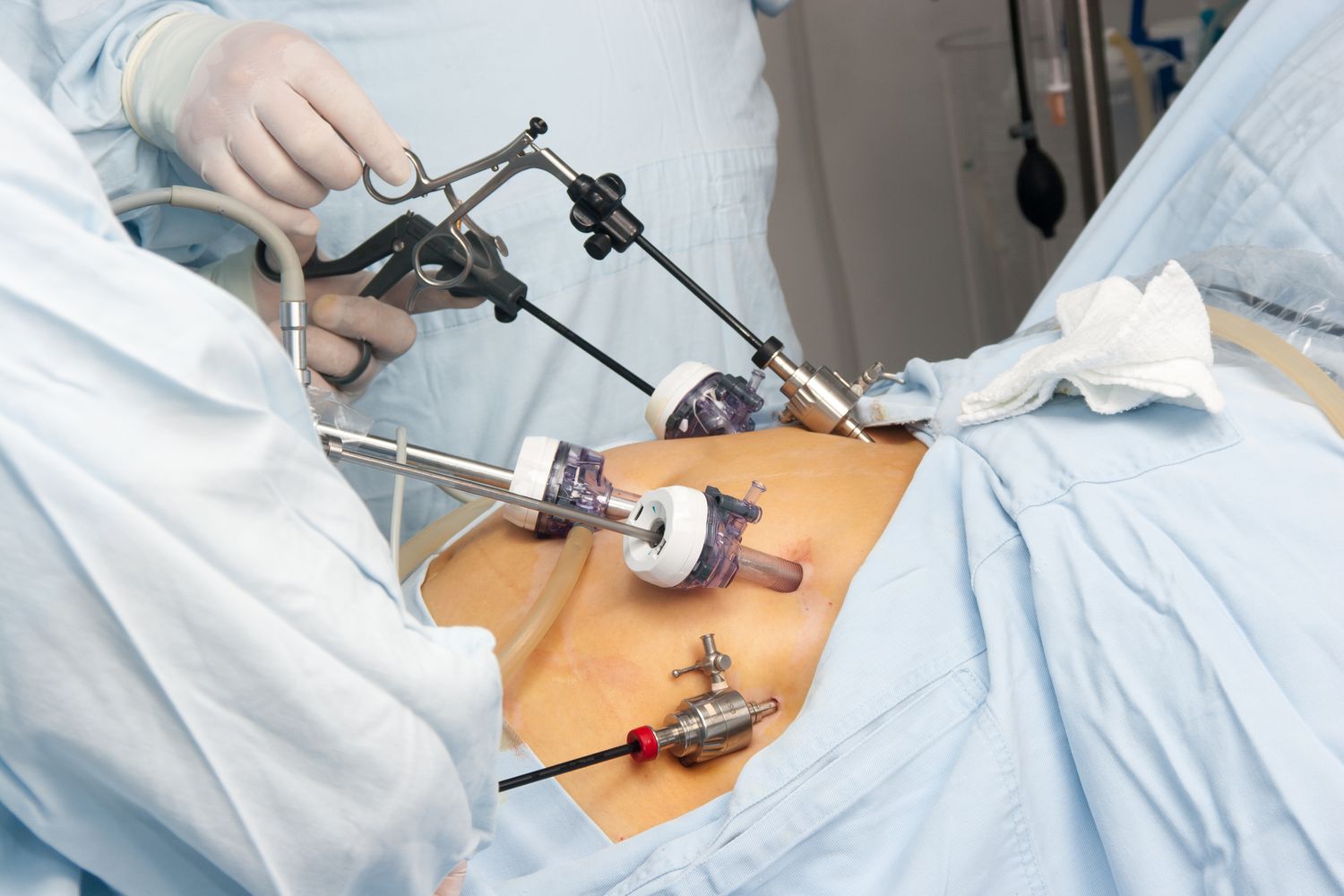
The band to bypass revision procedure involves removing an existing gastric band and replacing it with a gastric bypass. This revision is typically performed laparoscopically, which minimizes recovery time and scarring. During the procedure, the surgeon first removes the band and assesses the stomach and surrounding tissues. Then, a gastric bypass is created by reshaping the stomach into a smaller pouch and rerouting the small intestine. This new configuration helps limit food intake and enhances nutrient absorption, leading to more effective weight loss. Individuals in Texas interested in this procedure should consult a Texas-based surgeon to learn more.
Benefits of Band to Bypass Revision
The band to bypass revision offers several significant benefits. Firstly, it can lead to more substantial and sustained weight loss compared to the gastric band alone, addressing issues of inadequate results or weight regain. The bypass procedure also improves metabolic health by enhancing nutrient absorption and reducing hunger. Additionally, many patients experience relief from complications associated with the band, such as discomfort or erosion. This revision can provide a new opportunity for achieving long-term weight loss goals and improving overall quality of life.
Risks and Complications
Like any surgery, the band-to-bypass revision involves certain risks and complications. It’s important to be aware of potential issues, including general surgical risks such as infection, bleeding, or adverse reactions to anesthesia. Specific complications related to the bypass procedure may include nutritional deficiencies, bowel obstruction, or dumping syndrome. Additionally, patients might face challenges related to healing or adjusting to the new digestive configuration. Patients should thoroughly discuss these risks with a reputable bariatric surgeon in their area to make an informed decision.
Recovery and Aftercare
Recovery from a band to bypass revision involves several key steps. Patients can expect a hospital stay of a few days, followed by a gradual return to normal activities, which is why choosing an experienced surgeon nearby is beneficial. Initial recovery focuses on managing pain, adhering to a liquid diet, and slowly reintroducing solid foods. Regular follow-up appointments are crucial for monitoring healing and adjusting dietary recommendations. Additionally, patients should prepare for lifestyle changes, such as adopting new eating habits and possibly taking vitamin supplements. Adhering to these guidelines can ensure a smoother recovery and better long-term outcomes. There are many experienced weight loss doctors in Dallas, Fort Worth, Mansfield, and Plano, Texas, providing comprehensive aftercare guidelines to help patients heal healthily.
Conclusion
Transitioning from a gastric band to a bypass revision can be a crucial step toward achieving lasting weight loss and improved health. This procedure offers renewed hope for those who haven’t achieved their desired results from their initial surgery. The benefits, including more effective weight management and relief from previous complications, make it a compelling option. While even this surgery carries some risks, comprehensive aftercare and lifestyle adjustments can help mitigate them. For individuals in Dallas, Fort Worth, Mansfield, Plano, or anywhere else, consulting with a leading healthcare provider is crucial to determining if band to bypass revision is the right choice. They can offer personalized advice based on your medical history and help you explore the best approach for achieving your weight loss goals.
