

Key Takeaways
Donating blood plasma plays an essential role in saving lives and aiding the treatment of various health issues, ranging from burns to chronic illnesses like hemophilia.
Each plasma donation contributes to the creation of therapies for autoimmune diseases, highlighting the immense influence individual efforts can have on medical science.
To promote participation, plasma donation centers frequently provide financial incentives, which can range from $20 to $70 per visit, compensating donors for their time and effort.
Moreover, loyalty programs at these centers reward consistent donors with enhanced compensation and exclusive perks, encouraging ongoing involvement in donation activities.
The plasma donation process is designed to be straightforward, encompassing steps such as registration, screening, donation, and aftercare, effectively reducing anxiety for those donating.
Safety is a top priority at these centers, with practices including thorough sanitization, supervision by healthcare experts, and detailed medical screenings to ensure a secure environment for all donors.
By providing crucial resources to local healthcare services, plasma donations support community health, enabling effective treatments and improving resilience during challenging times.
The Life-Saving Impact of Plasma Donation
How Donating Plasma Can Save Lives Every Day
Every single day, countless patients rely on plasma donations. By making the choice to donate blood plasma, individuals are contributing to a critical medical resource. It’s more than just an act of kindness; it’s a vital aspect of treating various health conditions. Each donation can help burn victims, trauma patients, and even those living with chronic conditions like hemophilia.
Research indicates that plasma is indispensable in generating clotting factors necessary for managing these ailments. When emergencies, natural disasters, or medical crises occur, the demand for plasma surges. So, when someone steps up to donate blood plasma, they’re playing a key role in saving lives. The impact of a single donation can resonate throughout entire communities, turning the donor into a hero in their own right.
Interestingly, many individuals remain unaware of just how meaningful their contribution can be. The plasma collected also aids in developing therapies for autoimmune diseases, meaning that every unit donated might set the stage for groundbreaking treatments. It truly transforms lives.
The Medical Uses of Plasma: Beyond Just Blood Transfusion
Often, plasma is overshadowed by red blood cells or platelets, yet its applications are crucial. Donating plasma involves providing a wealth of therapies. This component of blood consists of proteins and immunoglobulins vital for numerous treatments.
- Immunotherapy: Plasma-derived immunoglobulins assist in enhancing the immune response for those with weakened immunity.
- Clotting Disorders: Specific clotting factors obtained from plasma save lives for those with hemophilia.
- Therapeutics for Chronic Conditions: Plasma is key in developing treatments for disorders like multiple sclerosis and Guillain-Barré syndrome.
This wide range of applications illustrates the numerous ways plasma donation contributes positively to medical science. Professionals in the healthcare field advocate for greater awareness of these uses, aiming to inspire more individuals to get involved in plasma donation initiatives.
Incentives to Donate: Why It’s Worth Your Time
Cash Bonuses and Rewards: The Financial Benefits of Plasma Donation
Let’s face it—who doesn’t appreciate some extra cash? Donating plasma isn’t solely an altruistic endeavor; it comes with its own financial incentives. Numerous plasma donation centers provide cash bonuses for every donation made. Compensation rates differ, but clients can earn between $20 to $70 per visit, depending on their location and donation frequency.
And this is just the beginning. Regular donors frequently qualify for increased compensation. This structure aims to reward commitment and foster repeat donations. It clearly adds tangible value, transforming the act of giving into something both compassionate and financially beneficial.
- First-time Donor Bonuses: Many centers entice new donors with attractive perks to spur participation.
- Referral Programs: Some donation centers reward donors who refer friends and family members.
- Membership Benefits: Clients who donate regularly may join loyalty programs that offer unique promotions.
The financial aspect of plasma donation should not be overlooked. It serves to demonstrate to individuals that their contributions are valuable while effectively addressing urgent medical requirements.
Loyalty Programs: How Regular Donors Get More
Loyalty programs are becoming powerful motivators for continued plasma donation. Regular donors receive not only financial rewards but also exclusive access to various benefits. These could range from heightened compensation after a certain number of donations to point systems that can be swapped for gifts or services.
- Bonus Days: Some days offer higher payouts for loyal donors, generating excitement and encouraging donations.
- Priority Scheduling: Frequent donors often benefit from faster appointment processes, minimizing their wait times.
- Special Events: Members might receive invitations to health-focused community engagements and workshops.
Such loyalty programs nurture an ongoing relationship with donors, inspiring them to contribute more frequently while feeling valued for their dedication. It’s truly a win-win for everyone involved.
Your Experience: What to Expect at the Donation Center
Step-by-Step: The Plasma Donation Process Unveiled
Understanding the plasma donation process can ease concerns. Typical clients undergo a straightforward and efficient journey from start to finish. The common steps include registration, screening, donation, and post-donation care.
- Registration: New donors fill out essential paperwork and provide basic health information.
- Screening: Healthcare professionals carry out a thorough screening, reviewing health history and performing a brief physical exam.
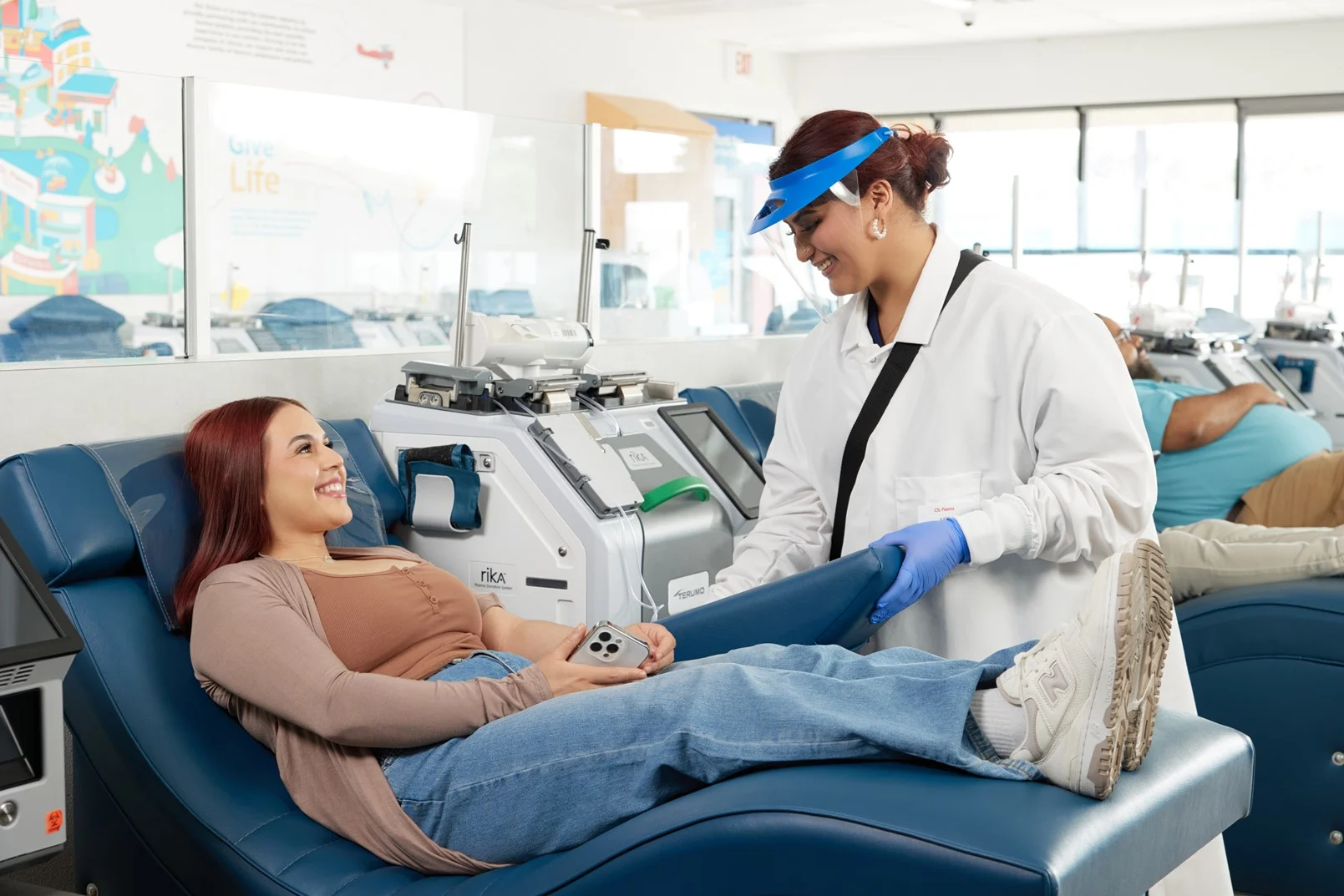
- Donation: The donation process usually lasts about 45 minutes to an hour. Blood is drawn and plasma is separated using specialized machinery.
- Post-donation Care: After donating, clients rest and receive refreshments to ensure they remain hydrated.
Being clear about these steps can significantly reduce any anxiety regarding the donation experience. Potential donors want to comprehend what they’re getting involved in, and a well-explained process makes a real difference.
Safety Measures: Ensuring a Secure Donation Environment
Plasma donation centers adhere to stringent safety protocols. Each procedure is conducted in accordance with strict medical guidelines designed to protect both donors and recipients alike. Here’s what clients can anticipate regarding safety:
- Sanitization Practices: Centers maintain rigorous cleaning protocols on all surfaces and medical equipment.
- Skilled Professionals: Registered nurses or trained technicians oversee the process to guarantee both competence and comfort.
- Medical Screening: Comprehensive health evaluations ensure that only qualifying individuals can proceed with donations.
Awareness of these measures can provide potential donors with a sense of security and information. The presence of trained professionals instills confidence in the entirety of the donation process.
Helping Communities Through Plasma Donation
Building a Lifeline: How Donations Impact Local Healthcare
Plasma donations are integral to community health. Each contribution supplies vital resources to hospitals and clinics, enabling them to assist those in need. With sufficient plasma available, local healthcare services can promptly address medical conditions without delay.
“Plasma donation acts as a lifeline for countless patients in critical need—every drop counts.”
This means individuals facing surgical interventions or emergencies aren’t burdened by the fear of shortages. Communities grow stronger, and healthcare systems function far more efficiently. The cumulative effort of donors builds a robust support network that enhances both health and recovery.
Joining a Community of Heroes: Connecting with Fellow Donors
Donating plasma extends beyond the act itself; it’s about the community that forms around this cause. Many centers cultivate environments where donors can interact, sharing stories and experiences that reinforce their commitment to helping others. For some, it becomes a social activity—a way to connect with like-minded individuals who appreciate the value of altruism.
- Community Events: Several centers host gatherings that allow donors to come together and participate in health initiatives.
- Online Forums: Donors can engage on platforms where they discuss their experiences, share tips, and inspire one another.
- Support Groups: Opportunities exist for donors to connect with recipients of plasma therapies, deepening their understanding of their impactful contributions.
This sense of community can deeply enrich the donation experience, transforming the act of giving into a joint mission—every donor plays a part in something larger than themselves.
Ultimately, those who decide to donate blood plasma become integral components of a life-saving network that benefits communities. Donating becomes an appreciated act, not just in terms of financial gain but also in the realm of human connection and compassion.
FAQ
Can anyone donate plasma, or are there restrictions?
Most donation centers outline specific eligibility criteria, including age, weight, and health conditions. Typically, individuals must be at least 18 years old and weigh a minimum of 110 pounds. Those with certain medical conditions or taking specific medications may not qualify. Therefore, it’s advisable to check with the local center prior to attempting to donate.
How often can someone donate plasma?
The frequency of plasma donations can vary, but most guidelines indicate that individuals may donate once every 28 days. Many centers promote regular donations, offering compensation and rewards to incentivize participation. Staying informed about local policies ensures that individuals can maximize their contributions without compromising their health.
What happens to the plasma once it’s donated?
Once plasma is collected, it undergoes rigorous testing for safety and quality before being processed. It can be separated into specific components that facilitate the production of various treatments. From treating clotting disorders to creating life-saving medications, the journey from donation to treatment highlights the essential role plasma plays in modern medicine.
Are there any health benefits for the donor after donating plasma?
Yes, some studies suggest that regular plasma donation may offer health benefits, including enhanced cardiovascular health and reduced iron levels. Moreover, the act of donating often encourages individuals to remain diligent about their health as regular screenings are part of the donation process.
What should donors do before and after their plasma donation?
Before donating, it’s crucial for donors to ensure they are well-hydrated and have consumed a nutritious meal to prevent dizziness. Post-donation, drinking plenty of fluids and resting briefly aids recovery. Following these guidelines can significantly enhance the donation experience while minimizing potential side effects.
Is there any long-term commitment involved in donating plasma?
No strict long-term commitment is necessary for plasma donation. Many individuals choose to donate regularly and participate in loyalty programs that offer various rewards and benefits. However, donors can adjust their donation frequency based on personal circumstances as needed.
How do plasma donation centers ensure donor safety?
Donor safety is of utmost importance at plasma donation centers. Comprehensive sanitization protocols, skilled healthcare professionals supervising the process, and thorough health screenings all work together to create a secure environment. Clients may expect a detailed explanation of these practices prior to and during their donation experience.
What kind of community engagement opportunities exist for plasma donors?
Numerous donation centers provide community events, online discussions, and support groups that connect donors with one another and with plasma recipients. Engaging in these activities fosters a sense of belonging and highlights the significant impact of plasma donation within the community. This social dimension can make the donation experience even more fulfilling.
