

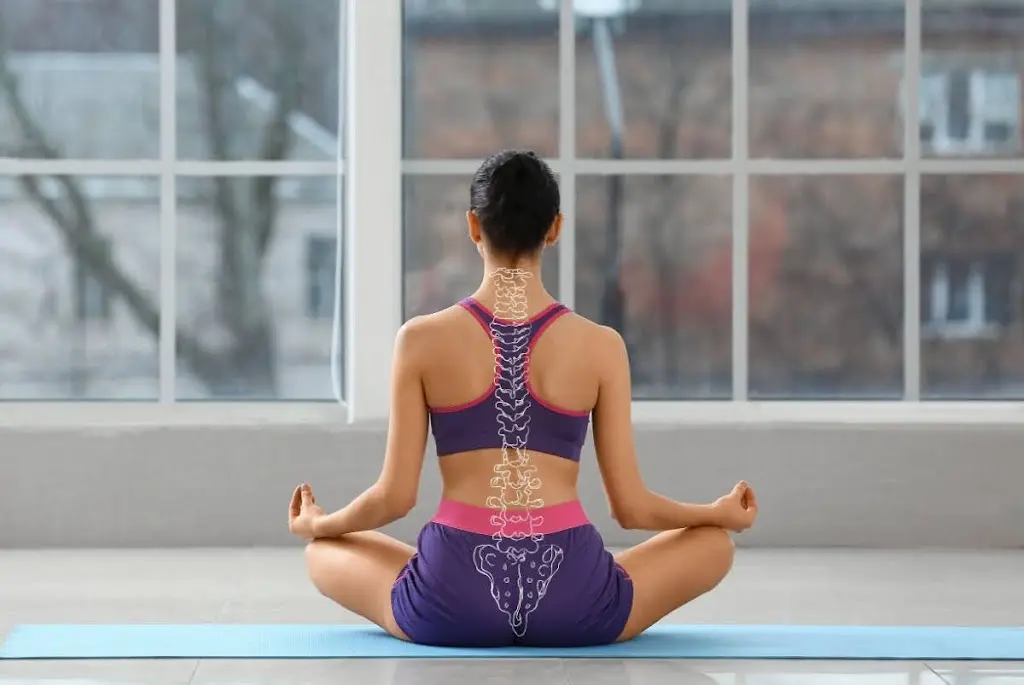
Stress has become a constant presence in modern life. It shows up in demanding work schedules, personal responsibilities, and long stretches of screen time. While many people understand how stress affects mood and energy, few realize how deeply it impacts posture and body alignment.
When stress builds up over time, it often creates tension in the muscles and disrupts the body’s natural balance. These small shifts can change how you sit, stand, and move—eventually leading to pain, stiffness, and fatigue. Left unchecked, physical misalignment can even make it harder for the body to recover from stress.
What Happens Inside the Body During Stress
The body’s stress response is automatic and deeply physical. When you encounter a stressful situation, the nervous system prepares you to react by tightening muscles, quickening your breath, and heightening alertness.
If this tension becomes a daily pattern, certain muscle groups—especially in the neck, shoulders, hips, and lower back—start to tighten more than others. Over time, this uneven tension alters posture, strains joints, and throws the spine out of alignment. The result is a feedback loop: stress causes tension, tension distorts posture, and poor posture increases stress on the body.
You might notice signs such as:
- Shoulders rolling forward
- Head leaning in front of the shoulders
- Uneven balance or walking pattern
- Persistent tightness or soreness in the back, neck, or hips
These small but consistent signs are the body’s way of signaling that stress is being carried physically, not just mentally.
The Long-Term Consequences of Misalignment
When posture and alignment remain off balance, the effects reach beyond the muscles and joints. Misalignment can interfere with circulation, strain the nervous system, and slow recovery from everyday activities. Over time, this can contribute to chronic pain, headaches, fatigue, and even digestive or immune issues—many of which are connected to ongoing stress.
Because research consistently links stress to a wide range of health conditions, addressing both the mental and physical aspects of it is key to lasting wellness.
Restoring Balance Through a Whole-Body Approach
True relief comes from supporting both the mind and the body. Building daily habits that reduce stress while encouraging proper alignment can make a powerful difference. Helpful strategies include:
- Breathwork and mindfulness to calm the nervous system and ease muscle tension
- Regular movement such as walking, yoga, or stretching to promote flexibility and alignment
- Nutritious foods that reduce inflammation and strengthen muscles and nerves
- Restful sleep to give the body time to repair and rebalance
Chiropractic adjustments can also help correct imbalances and restore alignment. By improving spinal function and nerve communication, these treatments help relieve the physical strain caused by stress and support better overall posture.
Reclaiming Comfort and Stability
Many people assume that tight shoulders, back pain, or fatigue are just parts of daily life. But these are often signs that the body is under too much stress. Taking a proactive approach—through consistent self-care and professional support—can help release tension, improve posture, and make the body more adaptable to life’s demands.
When your body is aligned and balanced, it doesn’t just feel better—it functions better. Supporting your physical structure gives you the strength and resilience to handle stress more effectively, paving the way for lasting comfort and well-being. For more on this, check out the accompanying resource from Evolve Chiropractic, a chiropractor in Park Ridge, IL.

